

Hydrate Anytime: 3 Infused Water Thirst Quenchers
These 3 infused water recipes not only keep you hydrated but also support your hormones, gut health, and weight management during midlife and beyond. Infused water? Really? Absolutely! Hydration is key to happy, healthy hormones, gut function and weight management

Migraines and Perimenopause | Why You’ve Got A Headache
Perimenopause is the lead-up to menopause and the end of a woman’s fertility. Menopause itself is just one day, the last day of your last period and you only know it’s occurred when 12 months have passed. As a result, you
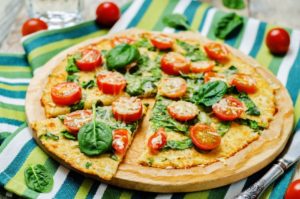
A Delicious, Hormone-Loving Cauliflower Crust Pizza
Pizza, don’t you love it? I don’t know about you, but I’m totally addicted. In fact, when I was in Italy, I had it for dinner just about every night! However, now that I’m back to ‘real life’ my body
5 Natural Solutions For Dizziness And Nausea To Get You Through The Day
Are dizziness and nausea getting to you? We hear you! But before you jump to conclusions and wonder if there’s something seriously wrong with you, know that these can be common signs of menopause. Or – rather – perimenopause, the
9 Easy Fixes for Brittle Nails During Peri and Post-Menopause
Have your nails quietly resigned from being strong and reliable? Alongside hair thinning and rogue chin whiskers, nail changes are yet another midlife plot twist Even nails that once survived acrylics, gardening, and toddlers are now soft, peeling and prone

Why Do Hot Flushes or Hot Flashes Happen in Menopause?
Body temperature fluctuations? Hot flushes? Today, we’re diving into one of the peskiest menopause signs. Biochemist Peter Lehrke explains the science. Hot flushes are worth knowing about. Why? Because they often stick around for several years. Arrgh! What’s happening to
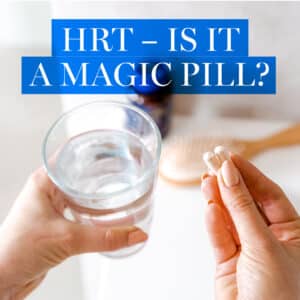
Menopause Hormone Therapy (HRT) – Is It The Magic Pill?
Menopause Hormone Therapy (HRT) can deliver incredible results for many women. However, the truth is, there’s no one size fits all, especially when it comes to women’s health. Ah, menopause – research has been thin on the ground for decades.
Think Menopause Is All About Estrogen? Think Again
Are you feeling irritable, crazy, sluggish, unmotivated, depressed, uptight or chubby? We hear you! Indeed, if you’ve landed here I’m guessing you’re older than 40. What’s more, I’ll wager that it’s not you but your hormones causing you to feel

Get To Know the Women of MenoMe®: Leigh’s Quirks + Must-Haves
Welcome to the Get to Know the Women of MenoMe® series. We’ll introduce you to one of the women behind the business each month. Think of it as your backstage pass to the real people who pack your parcels, answer your
Mythbusting Menopause | Four Things It IS, and Four It ISN’T
According to Ms Google, a lot of women search the question ‘when does menopause begin?’ And Ms G knows everything, right? Well, maybe not quite everything, but pretty close! So let us address this common query for you. When does
How Long Do The Menopause Years Last?
How long does menopause last? So, how long’s a piece of string! Sorry, but it’s kinda how it rolls. And just to be clear when we talk about ‘the meno years’ we’re not just talking about menopause. But also the opening
5 Natural Menopause Remedies You Can Try at Home
Are there menopause remedies that you can concoct in the comfort of your own home? Absolutely. In fact, several natural remedies may help ease menopause symptoms. So – happy days! The key to effective DIY menopause remedies is arming yourself